
Spinal Decompression for Herniated Discs & Sciatica

When Is Spinal Decompression Needed?
Spinal decompression is commonly used when a herniated spinal disc places pressure on nearby nerves and causes intense, radiating pain. This is not ordinary soreness. Disc-related nerve irritation can create severe symptoms that affect walking, standing, sleep, work, and daily life.
- Sciatica or sciatic pain traveling from the low back into the buttock and down the leg
- Burning, tingling, or numbness in the leg, calf, or foot
- Sharp or shooting pain that worsens with sitting, standing, or movement
- Weakness, drop foot, or balance problems caused by nerve pressure
At The Family Wellness Center, we focus on helping patients with serious disc-related pain find a more targeted, non-surgical path toward relief and improved function.
Disc Injuries Can Cause Severe Nerve Pain
When a spinal disc becomes injured or herniated, it can irritate or compress nearby nerves. This often causes pain that extends far beyond the spine itself. Many patients feel pain in the low back, but the most distressing symptoms are often in the buttock, leg, calf, or foot.
Disc-related pain may feel like burning, electrical pain, tingling, numbness, weakness, or instability. Some people notice they cannot walk normally, feel unsteady, or begin developing drop foot.
Common causes include auto accidents, work-related injuries, slip and falls, repetitive physical strain, prolonged poor posture, and periods of extreme stress that increase tension and load on the spine.
If your pain is radiating down the leg or affecting balance and movement, it may be more than back pain. It may be a disc and nerve problem that needs focused care.
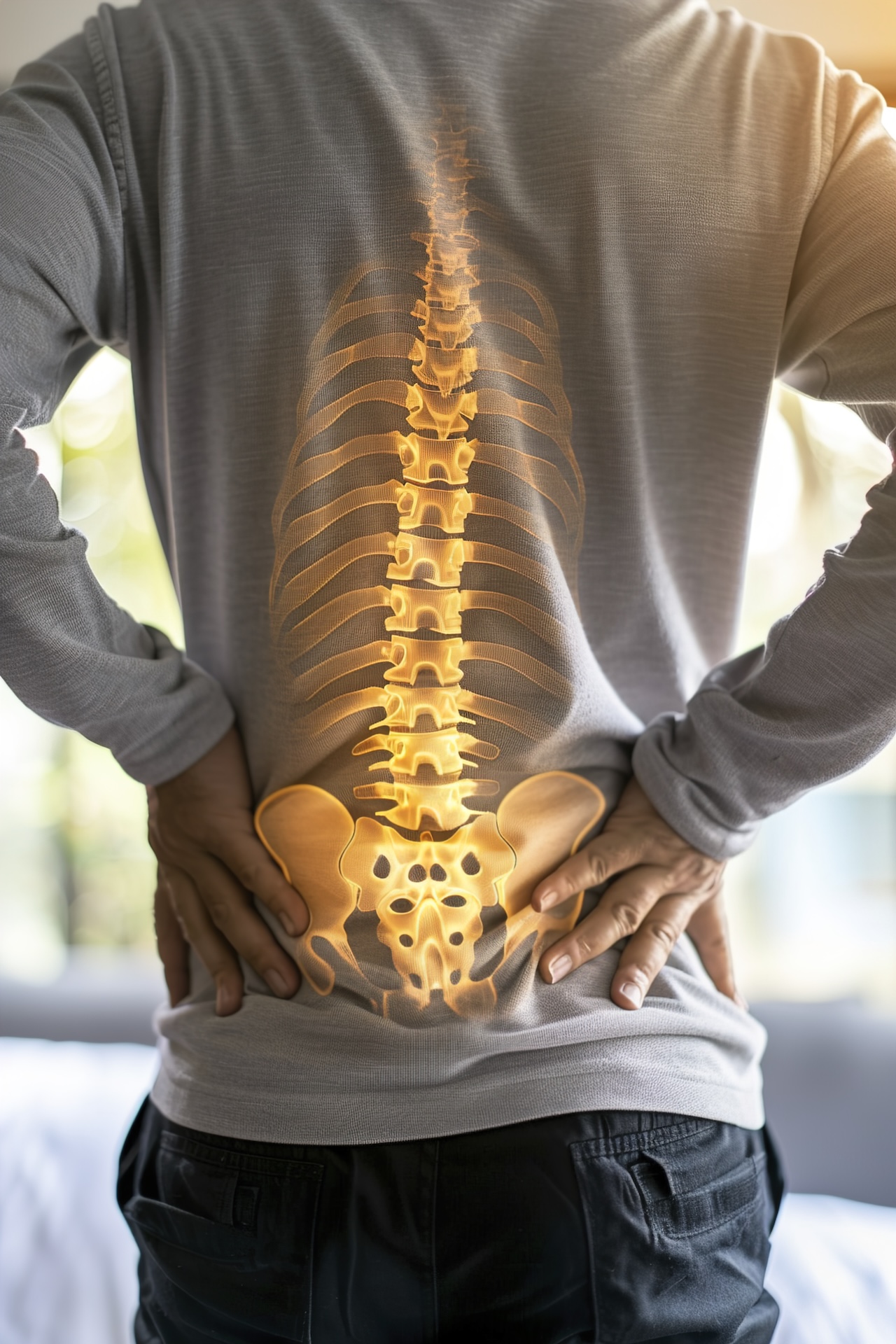
Why This Type of Pain Should Not Be Ignored
Herniated disc pain can become debilitating. When nerve pressure leads to burning, numbness, weakness, or balance changes, the problem may be progressing beyond simple muscular tension. Early evaluation and targeted decompression care may help reduce nerve stress and support safer movement.
How We Approach Herniated Disc & Sciatic Pain
Our decompression care is designed to focus on disc-related pressure, irritated nerves, and the severe symptoms that can travel from the spine into the lower body.
Targeted Decompression
We use spinal decompression techniques to help reduce pressure on affected discs and nerves, especially in cases involving sciatic pain and radiating lower body symptoms.
Evaluation of Nerve-Related Symptoms
Burning, tingling, numbness, weakness, and instability can signal nerve involvement. We assess these patterns to help determine how disc stress may be affecting movement and function.
Care for Sciatica Patterns
Sciatic pain often travels through the buttock, leg, calf, and foot. Our approach focuses on the source of that nerve irritation rather than only the area where the pain is felt.
Postural & Injury-Based Assessment
Auto accidents, work injuries, falls, and long-term poor posture can all contribute to disc damage. We look at the mechanical stresses that may be driving your symptoms.
Personalized Treatment Planning
Every disc injury presents differently. Your care plan is based on symptom severity, nerve patterns, mobility restrictions, and how the pain is affecting your quality of life.
Common Causes of Herniated Disc & Sciatic Pain
Disc injuries and nerve compression often develop after a specific event or repeated stress on the spine.
- Auto accidents and collision trauma
- Work-related injuries and repetitive strain
- Slip and fall injuries
- Long-term poor posture and spinal overload
- Heavy lifting or sudden twisting movements
- Periods of extreme stress and physical tension
In many cases, the original injury may have happened weeks or months earlier before symptoms began worsening.
Symptoms That May Point to Disc Involvement
Spinal decompression may be considered when patients are dealing with symptoms such as:
- Sciatica or pain shooting down one or both legs
- Burning, tingling, or numbness
- Pain in the buttock, calf, or foot
- Weakness or loss of stability while walking
- Drop foot or foot control changes
- Neuropathy-like pain caused by spinal nerve irritation
These symptoms can indicate that a disc problem is affecting the nerves and should be taken seriously.
See How Spinal Decompression Supports Disc Healing
This animation shows how spinal decompression helps reduce pressure on a herniated disc, encourage fluid movement, and support the healing process. It offers a simple visual explanation of how decompression may help relieve severe sciatic pain, nerve pressure, and disc-related symptoms.

Find Help for Severe Disc & Sciatic Pain
At The Family Wellness Center, we understand how intense herniated disc pain can become. When pain radiates into the buttock, leg, calf, or foot and is accompanied by numbness, tingling, weakness, or balance issues, focused spinal decompression care may help support recovery and better movement.
Call Us Today to schedule your consultation, or Book Your Appointment online.