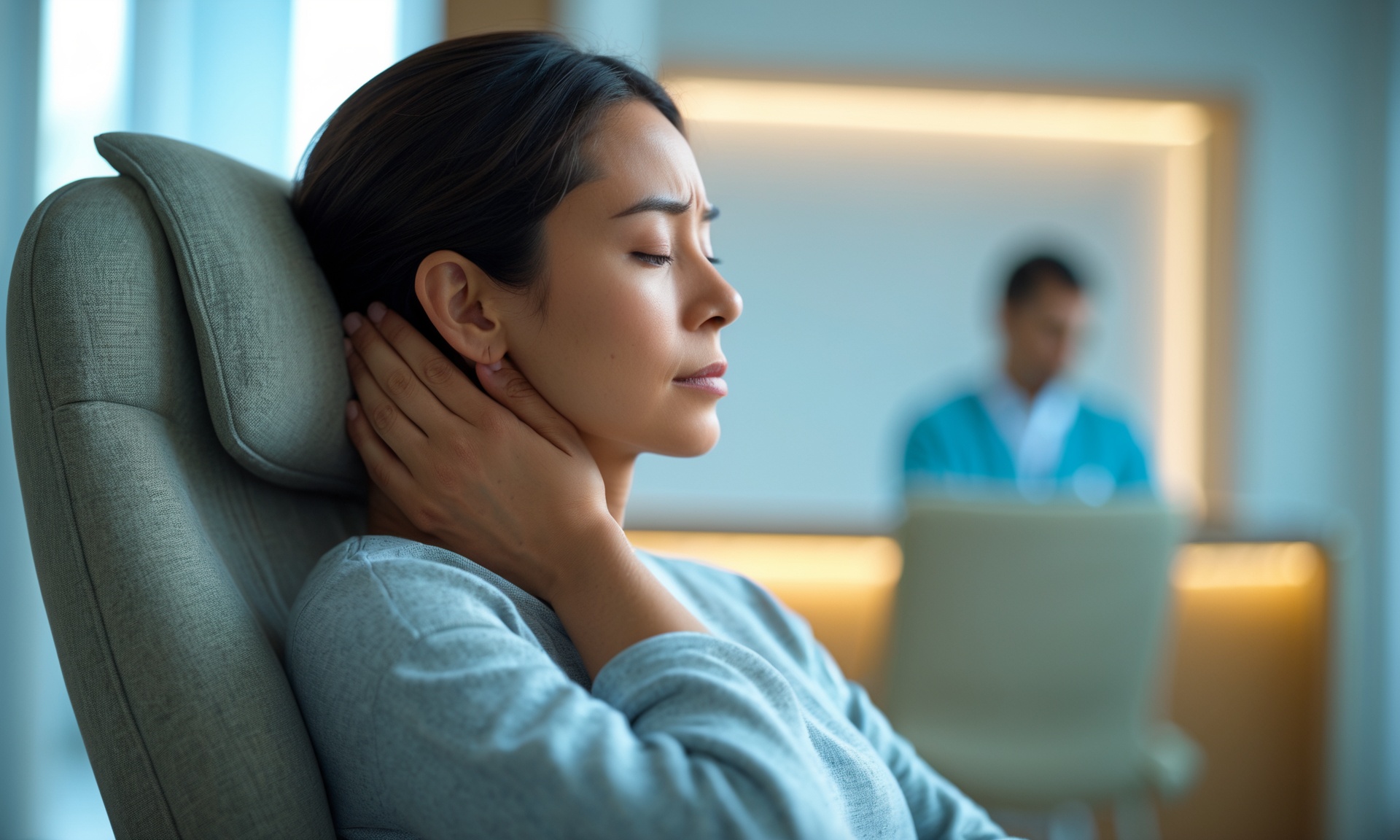


Neck pain is a common complaint among small business owners, developers, and anyone who spends long hours at a desk or on the go. While many people focus on physical causes like poor posture or repetitive movements, the role of stress and tension in ongoing neck pain is often overlooked. If you’re searching for Neck Pain Relief Plainview NY, understanding the impact of emotional and psychological factors is crucial for lasting comfort. This article explores how stress and tension contribute to persistent neck discomfort, why it matters for busy professionals, and what you can do to break the cycle for good. Whether you’re managing a team, building software, or simply juggling the demands of everyday life, learning to recognize and address stress-related neck pain can help you feel better, work smarter, and enjoy more pain-free days.
Why Stress Triggers Neck Pain
Stress is more than just a mental or emotional state, it has tangible effects on your body. When you’re stressed, your muscles tense up as part of the body’s natural “fight or flight” response. For many people, this tension tends to accumulate in the neck and shoulders, creating a feeling of tightness or even pain that lingers long after the stressful event has passed. Chronic stress keeps these muscles in a semi-contracted state, which not only leads to discomfort but can also restrict blood flow and limit your range of motion.
This connection between stress and neck pain is especially relevant for those who run businesses or work in high-pressure environments. The constant demands, deadlines, and decision-making can keep your stress levels elevated, making it difficult for your muscles to fully relax. Over time, this can lead to a cycle where stress causes pain, and pain increases your stress, making it even harder to find relief.
Understanding this relationship is the first step toward breaking the cycle. By recognizing that stress isn’t just “in your head,” but actually affects your neck and body, you can start to take proactive steps to manage both your mental and physical well-being. For those seeking a comprehensive approach to neck pain, The Family Wellness Center offers resources and support that address both the physical and emotional aspects of pain.
The Science Behind Tension and Muscle Pain
When you experience stress, your body releases hormones like cortisol and adrenaline. These hormones prepare your body to react quickly, but they also cause your muscles to contract. In the neck, this often means the trapezius, levator scapulae, and other supporting muscles become tight. If this state persists, it can lead to muscle fatigue, trigger points, and even inflammation.
Research has shown that people under chronic stress are more likely to report musculoskeletal pain, particularly in the neck and upper back. This is not just a coincidence, stress-induced muscle tension can compress nerves, reduce mobility, and create a feedback loop where pain itself becomes a source of further stress. For small business owners and professionals who spend hours at a computer or on their feet, this can be especially problematic.
Addressing the root causes of tension is essential for effective neck pain relief. While ergonomic adjustments and physical therapy are important, it’s equally vital to consider how your mental state may be contributing to ongoing discomfort. For more insights into the link between posture and pain, check out How Posture Affects Neck Pain and What You Can Do About It in Plainview, NY.
Recognizing the Signs of Stress-Related Neck Pain
Not all neck pain is created equal. Understanding the difference between pain caused by physical injury and pain driven by stress or tension is key to finding the right solution. Stress-related neck pain often presents as a dull, aching sensation that may come and go, or it might feel like a constant tightness that never fully resolves. You might also notice headaches, jaw tension, or a sensation of heaviness in your shoulders.
Other signs that stress may be contributing to your neck pain include:
- Pain that worsens during busy or high-pressure periods
- Relief after relaxation or stress management activities
- Difficulty pinpointing a specific physical cause
- Associated symptoms like fatigue, irritability, or trouble sleeping
If you recognize these patterns, it’s important to address both the physical and emotional components of your discomfort. In the area, clinics such as Top Chiropractor Care in Plainview, NY: What Patients Should Know can help you identify stress-related pain and develop a holistic plan for relief.
How Daily Habits Contribute to Neck Tension
Our daily routines play a significant role in how stress and tension manifest in the body. For many professionals, long hours at a desk, frequent phone use, and multitasking can all contribute to muscle tightness in the neck. Even the way you carry your bag or hold your phone can add to the strain.
Habits like clenching your jaw, hunching your shoulders, or failing to take breaks throughout the day can gradually increase the baseline level of tension in your muscles. Over time, these small actions accumulate, making it harder for your body to recover and increasing the likelihood of chronic pain.
Awareness is the first step toward change. By paying attention to your posture, movement patterns, and stress responses, you can begin to identify which habits might be contributing to your discomfort. Simple adjustments, such as setting reminders to stretch, practicing mindful breathing, or using ergonomic equipment, can make a significant difference in how your neck feels at the end of the day.
The Mind-Body Connection: How Emotions Affect Physical Pain
The relationship between mind and body is powerful. Emotional stress, anxiety, and even unresolved feelings can all manifest as physical pain, particularly in the neck and shoulders. This phenomenon is known as somatization, where emotional distress is expressed through bodily symptoms.
For small business owners and developers, the pressures of leadership, deadlines, and constant connectivity can heighten emotional stress. When these feelings aren’t addressed, they can become “stored” in the body as muscle tension or pain. Recognizing this connection can help you approach neck pain from a more holistic perspective, combining physical treatments with emotional self-care.
Practices like mindfulness, journaling, or talking with a trusted friend or therapist can help you process emotions and reduce the physical impact of stress. Over time, this can lead to less tension, improved mobility, and a greater sense of well-being.
Practical Stress Management Techniques for Neck Pain Relief
Managing stress doesn’t have to mean overhauling your entire lifestyle. Small, consistent changes can make a big difference in how your body responds to tension. Here are some practical techniques that can help reduce stress and relieve neck pain:
- Deep Breathing: Take a few minutes each day to practice slow, diaphragmatic breathing. This can lower stress hormones and relax tight muscles.
- Progressive Muscle Relaxation: Systematically tense and then relax each muscle group, starting from your toes and working up to your neck and shoulders.
- Mindful Movement: Activities like yoga, tai chi, or gentle stretching can help release tension and improve awareness of your body’s signals.
- Regular Breaks: Set reminders to stand up, stretch, and move around throughout the day, especially if you work at a desk.
- Healthy Boundaries: Learn to say no to unnecessary commitments and make time for activities that recharge you.
Incorporating these techniques into your daily routine can help you manage stress more effectively and reduce the frequency and intensity of neck pain episodes.
When to Seek Professional Help for Neck Pain
While self-care strategies are valuable, there are times when professional intervention is necessary. If your neck pain is severe, persistent, or accompanied by symptoms like numbness, tingling, or weakness in your arms, it’s important to consult a healthcare provider. These could be signs of a more serious underlying condition that requires specialized treatment.
For many residents, working with a chiropractor, physical therapist, or integrative health practitioner can provide targeted relief and help you address both the physical and emotional aspects of pain. These professionals can assess your posture, movement patterns, and stress levels to develop a personalized plan that supports your overall well-being.
Don’t wait until the pain becomes unmanageable. Early intervention can prevent chronic issues and help you get back to your daily activities with greater comfort and confidence.
The Role of Sleep and Recovery in Neck Health
Quality sleep is essential for muscle recovery and overall health. When you’re stressed, sleep can become disrupted, leading to a vicious cycle where poor rest increases pain, and pain makes it harder to sleep. This is particularly true for neck pain, as muscle tension can make it difficult to find a comfortable sleeping position.
To support neck health, focus on creating a sleep environment that promotes relaxation. Use a supportive pillow, maintain a consistent sleep schedule, and avoid screens before bedtime. Gentle stretching or relaxation exercises before bed can also help release tension and improve your chances of restful sleep.
If sleep problems persist, consider consulting a healthcare provider who can help you identify underlying issues and develop strategies for better rest. Addressing sleep and recovery is a key component of any comprehensive neck pain relief plan.
Comparing Stress-Related and Injury-Related Neck Pain
It’s important to distinguish between neck pain caused by stress and that resulting from physical injury. While both can cause significant discomfort, their underlying mechanisms and treatment approaches differ. The table below highlights some key differences to help you better understand your symptoms.
| Aspect | Stress-Related Neck Pain | Injury-Related Neck Pain |
|---|---|---|
| Onset | Gradual, related to stressful periods | Sudden, often after trauma or specific movement |
| Pain Quality | Dull, aching, tightness | Sharp, stabbing, localized |
| Associated Symptoms | Headaches, fatigue, jaw tension | Swelling, bruising, reduced mobility |
| Response to Rest | Improves with relaxation | May require medical intervention |
Understanding these distinctions can help you determine the most effective approach to managing your neck pain and when to seek specialized care.
Building a Personalized Plan for Neck Pain Relief
Every individual’s experience with neck pain is unique. Factors like work environment, stress levels, physical activity, and personal health history all play a role in how pain develops and persists. That’s why a one-size-fits-all approach rarely works for long-term relief.
To create a personalized plan, start by tracking your symptoms and identifying patterns. Note when pain occurs, what activities or situations make it worse, and what provides relief. Use this information to make targeted changes to your daily routine, such as adjusting your workstation, incorporating stress management techniques, or scheduling regular movement breaks.
If self-care strategies aren’t enough, don’t hesitate to reach out to a healthcare provider who can help you develop a comprehensive plan tailored to your needs. Combining physical, emotional, and lifestyle interventions is often the most effective way to achieve lasting neck pain relief.
Final Thoughts
Ongoing neck pain can be frustrating and disruptive, especially for busy professionals and small business owners. Understanding the role of stress and tension in your discomfort is a powerful step toward lasting relief. By recognizing the signs of stress-related pain, adopting practical stress management techniques, and seeking professional support when needed, you can break the cycle and reclaim your comfort. Remember, neck pain is rarely just a physical issue, addressing both body and mind is key to feeling your best. With the right approach, you can move forward with greater ease, productivity, and well-being, no matter what challenges your day brings.